
Reviewed · GUATEMALA COFFEE FARM TOURS
Coffee and Gastronomic Bike Tour in Antigua
Antigua’s best coffee experience is not confined to a museum cup. You ride out on a sturdy fat-tire bike, pass from colonial streets into coffee country, then learn how a bean moves from plant to roast. At Finca La Azotea, the coffee plants, shade trees, trails, and museum give the subject some much-needed context.
I like the mix of coffee, chocolate, and local food, since you get more than a standard plantation talk. I also like the small-group format, capped at nine people, and the chance to visit San Felipe de Jesus for crafts, sweets, and traditional drinks.
The main catch is the cycling. Antigua’s cobblestones and traffic make the ride out and back more demanding than the four-hour length suggests. You do not need to be a racer, but you should be comfortable on a bike and ready for some bumps, effort, and stops.
Key points to know before you book
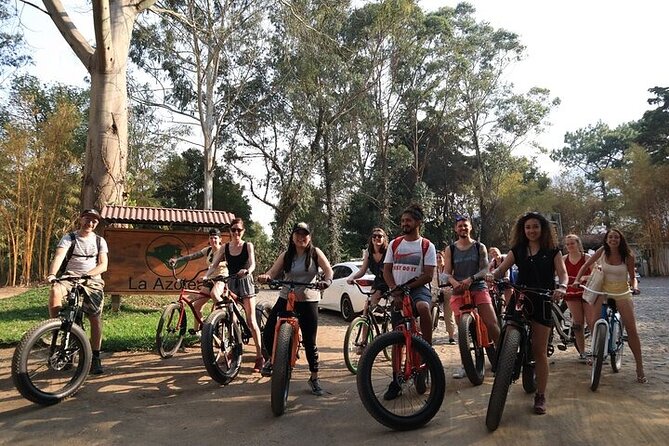
- Coffee production in the countryside: Ride among coffee plants and shade trees at Finca La Azotea, then see the process explained from picking through roasting and tasting.
- More food than the title suggests: Tastings can include chocolate, coffee ice cream, traditional candies, savory snacks, tostadas, tacos, and local drinks.
- Fat-tire bikes for Antigua’s stones: The broad tires help on cobblestones, but they do not remove the need to watch traffic and keep your balance.
- A local stop in San Felipe de Jesus: The village adds wood and clay crafts, candy making, and a less polished look at everyday Guatemalan culture.
- Small groups and named guides: Guides including Pablo, Diego, Farrah, and Carlos have led departures, with the experience often feeling personal in groups of three or so.
- A practical half-day value: At $41 per person, the tour combines transport by bike, admission, tastings, guiding, equipment, and a final beer.
Why this Antigua bike tour is different
Many Antigua coffee outings take you by van to a plantation, give you a short explanation, and send you back with a bag of beans. This one makes the journey part of the story. You pedal through town, cross into rural surroundings, and use the bike to connect several small experiences in a single morning or afternoon.
That matters because coffee is not an isolated product here. The ride shows how Antigua’s colonial center links with nearby villages, farms, food stalls, craft workshops, and family-run businesses. You get a better sense of the area by moving through it at street level rather than looking out a vehicle window.
The tour lasts about four hours and generally stays with no more than nine people. That size is useful on uneven roads. A guide can keep an eye on the group, help with traffic, and answer questions without turning every stop into a public speech.
The company has also been described as supporting local community work, including efforts connected with education in a nearby village. If that matters to you, ask the office for the current details before departure, since community projects can change.
More guatemala coffee farm tours in Antigua Guatemala:
- Antigua ATV Coffee tour
★ 4.9 · 113 reviews - Experience: Organic Coffee, Avocados, Honey & More!
★ 5.0 · 101 reviews - Coffee & Macadamia Fincas Tour
★ 4.5 · 53 reviews
Starting from 2a Calle Poniente
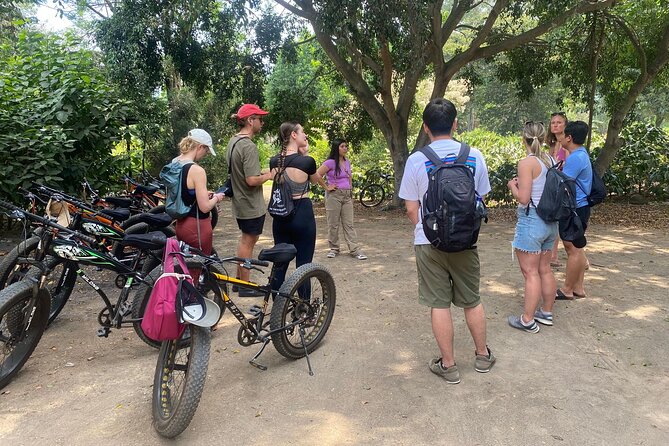
The meeting point is the CA Travelers office at 25 A, 2a Calle Poniente 25, Antigua Guatemala 03001. The tour also ends there, which keeps the logistics simple. You do not need to arrange a taxi between the final stop and your hotel.
The office is near public transportation, and the group normally receives bikes, helmets if wanted, and water. One useful practical note is storage. A backpack may help if you plan to buy candy, chocolate, crafts, or coffee, though a small bag can be provided if needed.
The guide’s first job is not storytelling. It is getting everyone safely through Antigua. The city’s cobblestone streets are attractive but awkward on two wheels, and traffic adds another concern. Fat-tire bikes help with the rough surface, yet you still need to ride attentively.
I would wear comfortable clothes, closed shoes, and something that can handle dust or a little rain. The tour requires good weather, and rain can change or cancel the outing. If weather forces a cancellation, you are offered another date or a full refund.
Finca La Azotea: where coffee becomes real
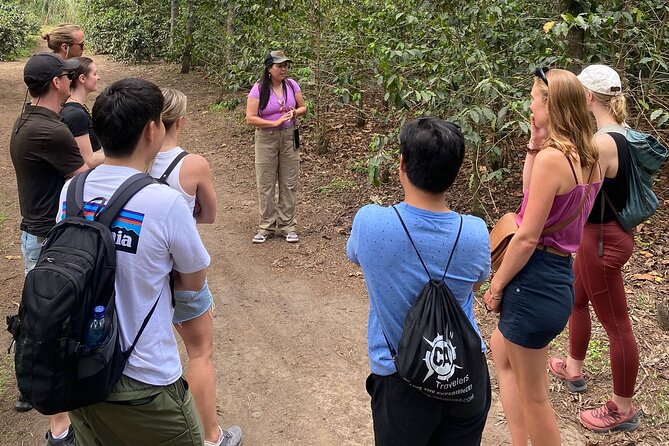
The first major stop takes about two hours at Finca La Azotea, and this is the heart of the experience. The bike trails weave through coffee plants and shade trees, giving you a chance to see the crop rather than just hear about it.
Coffee farms are easier to understand when you can look closely at the plants and the setting around them. The shade trees, growing conditions, harvesting work, drying, and roasting all affect the cup. The guide explains the chain from picking the bean to preparing coffee for drinking.
The plantation ride is also the most scenic part. You might catch views of volcanoes in the distance, depending on conditions, while the pace allows regular stops for explanations. This is not a race through the fields. The point is to move slowly enough to notice the work.
Inside the coffee museum, the story becomes more technical and historical. You learn about Guatemalan coffee, different varieties and blends, and the stages that shape the final flavor. The admission is included, so you are not paying extra for the plantation or museum.
The tasting is worth setting expectations for. Coffee is included, but the amount can be modest, with some departures offering one small cup or only limited coffee sampling. If you want a large caffeine hit, drink coffee before you set out. The tour gives you a broader food experience, not a long coffee flight.
That distinction is important. You will likely spend more time learning about coffee production than drinking it. For me, that is a fair trade if you want to understand the product, but it may disappoint anyone choosing the tour mainly for repeated tastings.
Chocolate, coffee ice cream, and the edible extras
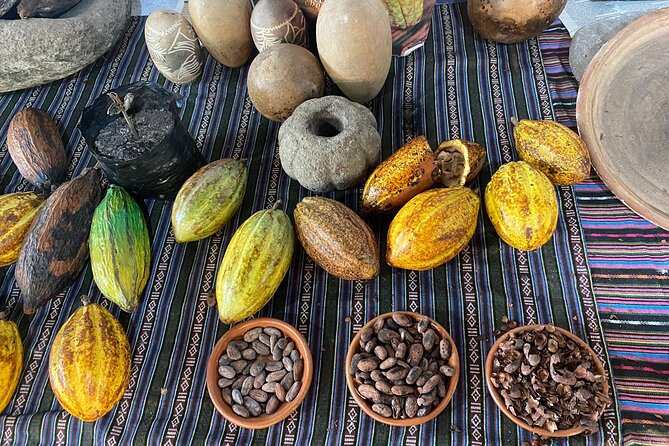
The experience often includes more than the plantation’s coffee. A chocolate or cacao presentation may explain how cacao is handled and made into finished products, with samples along the way. One detailed departure included a particularly thorough demonstration, while another described coffee ice cream among the tastings.
The exact food sequence can vary. You might try sweets, savory food, traditional candies, tostadas, tacos, or other local bites depending on the day and the businesses open along the route.
That flexibility is part of the charm, but it also means you should not treat every listed food as guaranteed in a fixed order. The confirmed plan centers on the plantation, the San Felipe visit, drinks, tastings, and the return to Antigua.
The food adds real value to the $41 price. A plantation admission, museum visit, guide, bike, equipment, water, and several samples would cost more to arrange separately. You are also paying for the guide to connect each item into a story instead of simply handing you snacks.
A few more Antigua Guatemala trips to weigh up
- Antigua Half-Day Lost Cities of the Almolonga Bike Tour
★ 4.7 · 33 reviews - Antigua Sip ‘n Cycle Half-Day Bike Ride and Coffee Tour
★ 4.9 · 23 reviews - Antigua Guatemala: Half-Day Mountain Bike Tour with Guide
★ 5.0 · 3 reviews - Mountain Bike Tour through Guatemala
★ 5.0 · 76 reviews
San Felipe de Jesus and the local craft stop
After the plantation, the group rides about 10 minutes to the village of San Felipe de Jesus. This is a short transfer, but it changes the feel of the tour. You move from agricultural production to local crafts and food traditions.
The handicrafts market includes work in wood and clay. The stop is not just a chance to shop. You learn about the people and skills behind the objects, including traditional Guatemalan candy making.
Candy is a surprisingly useful doorway into local culture. It shows how recipes, ingredients, family work, and selling traditions fit together. You may find handmade sweets more interesting than another polished souvenir shop because the process is visible and connected to daily life.
The village stop is scheduled for about an hour and 30 minutes, though that block also includes the ride back toward Antigua and beverage sampling. You may visit small stalls or local sellers rather than a formal restaurant. That can produce memorable tastes, but it also means the setting is simple and the food choices are not designed for every diet.
One stop features fresco de suchiles, a fermented Guatemalan drink sometimes compared loosely with kombucha. Other beverages may be offered as well. The samples give you a taste of local drink culture that you are unlikely to find on a standard Antigua walking route.
The operator says its vendors are long-standing partners and that the water provided is filtered drinking water. One dissatisfied participant raised concerns about street-stall hygiene and water, while the company rejected those concerns and said its safety procedures were followed. If you have a sensitive stomach, allergies, or strong food-safety worries, tell the guide before sampling and use your own judgment.
Antigua streets, fat tires, and the real workout
The cycling difficulty deserves plain talk. The route is not described as technical mountain biking, but Antigua’s cobbles can make even an easy distance feel tiring. The bikes are sturdy and fitted with wide tires, yet several parts of the ride can be bumpy, and the heavy bikes require effort.
You will also ride in and around traffic. Guides have helped groups navigate the streets, but you remain responsible for staying alert. If you rarely cycle, the ride may feel harder than expected. If you are reasonably active, the pace and breaks should make it manageable, though the tour still includes a bit of sweat.
The countryside section is easier to enjoy than the city riding. Once among the coffee plants, the pace slows and the setting becomes quieter. One useful way to think about the route is that the cycling is transportation with scenery and exercise, not the main athletic event.
Ask for a helmet if you want one, and take the water offered. A small backpack is handy for purchases, but keep it light. You should have both hands available for steering on the rougher streets.
Rain is another factor. One departure ended with the group soaked, but the outing continued safely after the weather changed. Since the activity requires good weather, the operator may reschedule or refund if conditions are poor.
Guides who shape the day
The guide makes a large difference here because the tour covers coffee, food, history, transportation, and cultural questions in a short time. Pablo has been praised for his friendly explanations and personal approach, while Diego has been noted for his passion for coffee and ability to make the plantation visit engaging.
Farrah has led departures with a strong focus on Guatemalan history and society. Carlos has been described as giving clear background on coffee and guiding the group through Antigua’s streets. You may receive one of these guides or another member of the team, so do not book on the assumption that a particular person is guaranteed.
The strongest guiding style on this tour is conversational. You can ask about coffee production, local food, the city, or the company’s community work. In a group of three, the guide can spend more time with each person. With nine people, the experience will feel less private but should still remain manageable.
There is one point to consider about historical and political discussion. One account raised concerns about political opinions and comments relating to the Middle East, while other accounts described the history lessons as factual and valuable. The company said political or ideological discussion is not part of the program and that cultural questions were answered respectfully.
My advice is simple: expect context about Guatemala’s difficult past, including conflict and social hardship, but do not book this as a neutral coffee-only outing. If you prefer to keep all history out of your food tours, this may not be your ideal match. If you want direct discussion of how the country’s past shapes its culture, you may find that part useful.
The final beer back at the office
The tour ends at the CA Travelers office after about 30 minutes in Antigua. Each participant receives a complimentary cold beer, specifically described in several accounts as Gallo.
It is a small finish, but a good one after cobbles, hills, heat, and tastings. It also gives you a natural chance to ask final questions or decide whether you want to buy coffee, chocolate, crafts, or sweets from places visited along the way.
Because the activity returns to its starting point, you can plan the rest of your day without a complicated pickup. Allow a little flexibility after the stated four hours if your group lingers at food stops or weather slows the ride.
Is $41 a fair price?
At $41 per person, I consider this strong value for a half-day in Antigua. The fee includes the bike, guide, plantation and museum admission, water, tastings, the village stop, and the final beer. You also cover a good stretch of ground without paying for a separate transfer.
The value is highest if you want variety. A dedicated coffee specialist may prefer a longer tasting with more cups. A serious cyclist may want a longer countryside route. But if you want coffee, chocolate, history, crafts, local drinks, and food in one outing, the price makes sense.
The tour is usually booked about 14 days ahead, so planning early is sensible. Confirmation arrives within 48 hours and remains subject to availability. Free cancellation is available up to 24 hours before the start time. Cancellations or changes inside that window are not refunded or accepted.
Who should book this Antigua experience?
I would recommend it to an active couple, a small group of friends, or a solo visitor who wants a social half-day with plenty of conversation. It suits people who enjoy learning how food is made and who like seeing ordinary neighborhoods and village businesses rather than staying only around Antigua’s central sights.
It is also a good choice for anyone visiting a coffee-growing region for the first time. The plantation ride makes the subject concrete, and the chocolate, candy, and drink stops prevent the day from becoming a long technical lecture.
I would hesitate if you want a relaxed outing with almost no physical effort. The cobbles, traffic, heavy bikes, and possible heat are genuine considerations. I would also think twice if you require a tightly controlled menu, a large coffee tasting, or a strictly apolitical historical discussion.
The maximum group size is nine, and most people can take part, but the data does not promise a fully accessible route. Ask CA Travelers directly about your specific mobility, dietary, or medical needs before booking.
Should you book the Coffee and Gastronomic Bike Tour?
Book it if you want Antigua in several flavors: coffee under shade trees, chocolate in a workshop, sweets in a village, fermented drinks at a local stall, and a cold beer at the end. The best parts are the plantation setting, the broad food mix, and the chance to see more than the colonial center.
Skip it if the word coffee makes you expect a long, formal tasting. You may receive only a small cup, and the cycling can be tougher than the title suggests. For an active visitor who values local food, practical cultural context, and a small group, this $41 tour offers an unusually full four hours.
FAQ
Where does the Coffee and Gastronomic Bike Tour begin?
It begins at the CA Travelers office at 25 A, 2a Calle Poniente 25, Antigua Guatemala 03001, Guatemala.
Where does the tour end?
The activity ends back at the CA Travelers meeting point in Antigua.
How long does the bike tour last?
The tour lasts approximately four hours.
How much does the tour cost?
The listed price is $41 per person.
How many people can join the tour?
The tour has a maximum of nine participants.
Is admission to Finca La Azotea included?
Yes. Admission to Finca La Azotea and its coffee museum is included.
What happens at Finca La Azotea?
You bike along plantation trails, learn about coffee production from picking through tasting, visit the coffee museum, and sample coffee varieties and blends.
Can the tour be canceled because of weather?
Yes. The experience requires good weather. If the operator cancels because of poor weather, you are offered another date or a full refund.
More Coffee Experiences in Antigua Guatemala
- From Antigua or Guatemala : Coffee & Culture Full-Day Tour
★ 4.5 · 33 reviews - Coffee Tour in Antigua Guatemala
★ 4.9 · 19 reviews - Coffee farm experience
★ 5.0 · 17 reviews - San Salvador: Full Day Ruta de Las Flores and Coffee Farm
★ 4.4 · 95 reviews
Just added around Antigua Guatemala
- Tour hacia Hobbitenango en quad★ 4.9 · 11 reviews
- Hobbitenango & Antigua Shared Day Tour★ 5.0 · 4 reviews
- Sky high ATV adventure★ 4.7 · 19 reviews
- One-day tour from Antigua to Lake Atitlán★ 4.6 · 5 reviews
- From Antigua to Sumpango Giant Kite Festival★ 4.2 · 7 reviews
- From Antigua Guatemala: Birdwatching and Scenic Hiking Tour★ 4.2 · 9 reviews
- From Antigua: 2-Day Tour of Chichicastenango & Lake Atitlan★ 3.4 · 7 reviews
- From Guatemala City, Tour to Antigua Guatemala★ 4.5 · 3 reviews
Guatemala Coffee Farm Tours, compared.
Experience: Organic Coffee, Avocados, Honey & More!
Read our review →
From Antigua or Guatemala : Coffee & Culture Full-Day Tour
Read our review →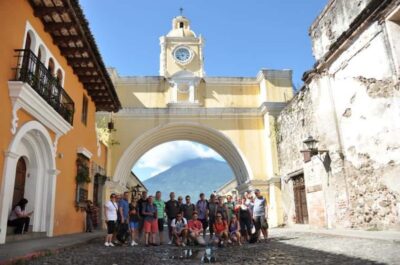
Antigua Sip ‘n Cycle Half-Day Bike Ride and Coffee Tour
Read our review →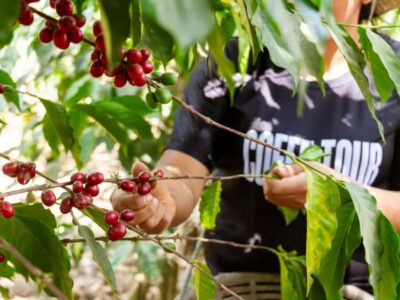
Browse the lists this tour appears in